
Team Updates

 Sthefanie Monica Premebida
 Sthefanie Monica Premebida
- Impact
According to a study presented at the World Economic Forum, in one of its meetings in Davos, we obtained an estimate that in 2050 the oceans will have more plastic than fish (by weight). Whereas a major waste at sea is plastic and that on average a plastic takes 450 years to decompose, if not start to prevent the waste is destined for ocean, sea amount of waste only tends to increase.
Ocean trash causes several problems in nature, such as the imbalance of water quality, risking the survival of aquatic animals beyond the life of marine algae and plankton, the largest producers of oxygen on the planet earth. The removal and remediation of marine litter has a global impact and is a major step in sustainability.
In plastic decomposition processes no body division into microparticles, the microplastic called, this is present in fish feed indirectly, and therefore, in ours. Another study, this one conducted by the Agency for Toxic Substances and Disease Registry (US Federal), points out the effects of microplastic in the human body, among them are: implications in development, hormone disruption, immune system, thyroid and various types of cancer.
Sthefanie Monica Premebida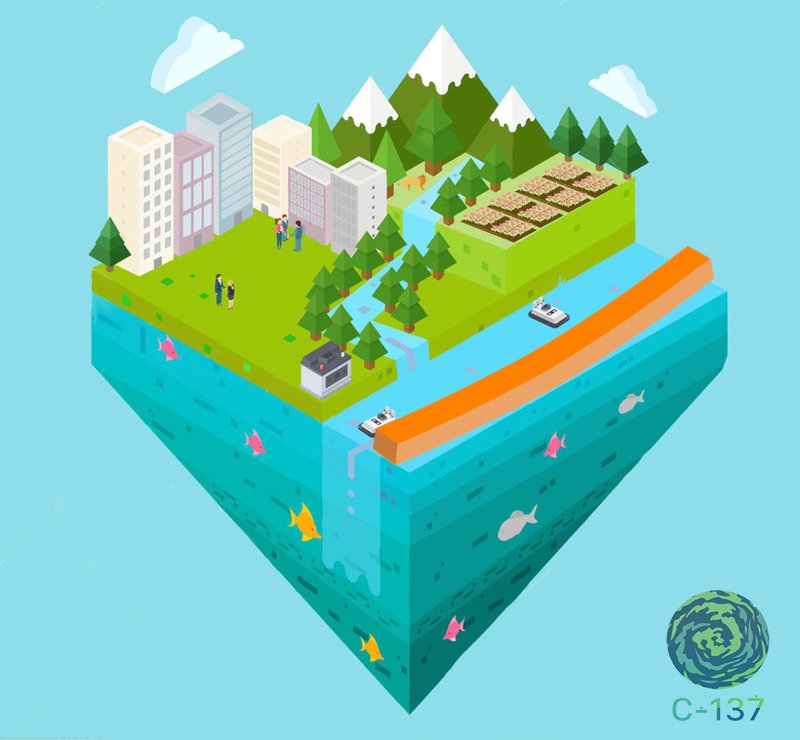 Sthefanie Monica Premebida
 Mariana Lopes Camilo