
Project Details
The Challenge | From Curious Minds Come Helping Hands
Wear the Safeguard, Save the life
People will meet the safest wearable technology with safeguard which provides the maximum real-time data for the predict weather condition in minimum use of time. It will minimize the amount of death-causing environmental changes.
We are the student of textile engineering. We do research on flexible, light weight material and achieve some national & international achievement for our authentic project.
Everyone try to use a hardware or other device that is heavier or not easy to carry.But no one think about our clothing
On this point we are special we try to install the sensor in our cloth and try to make it flexible for better user experience
So, YES! Our project has the solution for this challenge.
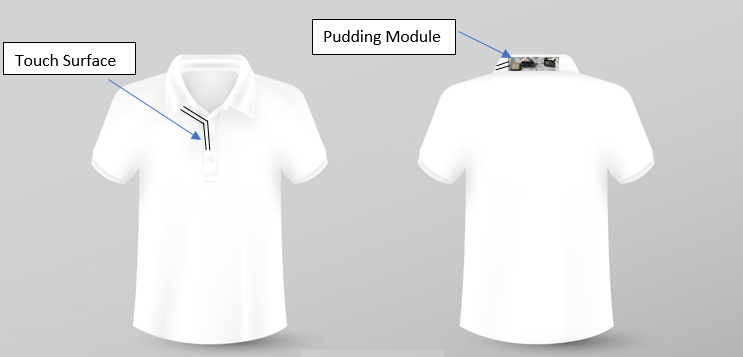
Let’s talk about our solution that works for this challenge. There is many different types of hard tools for collecting real time data into the ocean. But come with a unique idea of installing sensor based small electronic device in to the cloth and make it flexible for better performance of use. The device will be underneath of the fabric that cannot be seen from outside.
A wearable technology which can minimize the devastating effect of dangerous environmental issues in human life. This device can work as a safeguard for them also potential for similar type of natural disasters .It predicts the upcoming danger such as cyclone, early wild fire detection etc.
It will monitor our daily activity and will send a text messages with the help of radio signal to a receiver if the situation goes beyond control .The text message will provide geo-location with picture or video.
It can notify the nearby quick response team whenever the network is available that are at a risk before anything goes out of control .There is a GPS and GSM module which will extract the location of victim area. A set of sensor will give necessary data such as humidity, temperature etc.
Then it will send data to cloud server and match it with NASA’s data where NASA demand that their researchers have been striving to reduce the time it takes to detect disaster using satellite information from 3-4 hours to ten minutes or less.
5 benefits of our projects:
- Keeping safe the human life in case of natural disasters.
- Having forecast about the early wild fire before it happens
- Sending signal or messages to their family and rescue units.
- Sending exact geo-location in the time of danger.
- Can cross check the environmental data’s from NASA’s website.
Future plan of our projects:
- Adding a camera module with this device
- Minimizing the size andcost for this device
- Developing a flexible sensor
- Developing an unique cloud server for this
- Developing this device for faster data sending system than before.
Resources
Github : https://github.com/mhahemo/Safeguiard