
Project Details
The Challenge | From Curious Minds Come Helping Hands
Ocean currents
•Our site seeks to mitigate this challenge as affected areas can now be easily monitored, studied and evaluated before, during or after the occurrence. We also expect humanitarian aid workers to use our site to located remote areas of our country which ar
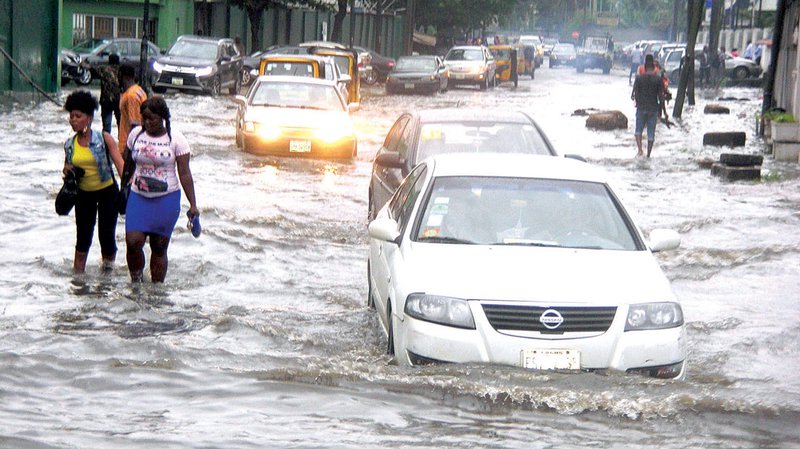
•Our site seeks to mitigate this challenge as affected areas can now be easily monitored, studied and evaluated before, during or after the occurrence. We also expect humanitarian aid workers to use our site to located remote areas of our country which are prone to or affected by this climatic change with an aim to proffer solutions and assistance.
UN figures indicate that 80% of people displaced by climate change are women. Roles as primary caregivers and providers of food and fuel make them more vulnerable when flooding and drought occur. In central Africa, where up to 90% of Lake Chad has disappeared, nomadic indigenous groups are particularly at risk. As the lake's shoreline recedes, women have to walk much further to collect water.
•Floods are among the most devastating natural disasters in the world, claiming more lives and causing more property damage than any other natural phenomena. In Nigeria, though not leading in terms of claiming lives, flood affects and displaces more people than any other disaster; it also causes more damage to properties.
•At least 40 per cent of the population is at risk from one form of flooding or another. In Nigeria, flood disaster has been perilous to people, communities and institutions, It has shattered both the built-environment and undeveloped plan. It has claimed many lives, and millions of properties got lost due to its occurrences.
•It is not just women in rural areas who are affected. Globally, women are more likely to experience poverty, and to have less socioeconomic power than men. This makes it difficult to recover from disasters which affect infrastructure, jobs and housing.