
Apollo 19'| Eeny, Meeny, Miney, Sample!
Project Details
The Challenge | Eeny, Meeny, Miney, Sample!
Apollo 19'
Choosing samples is absolutely the most important concern on the moon; however, Astronomers has to choose the samples wisely because of many reasons like time limitations, weight limitations, and space limitations; As a result, a protocol must be used to m
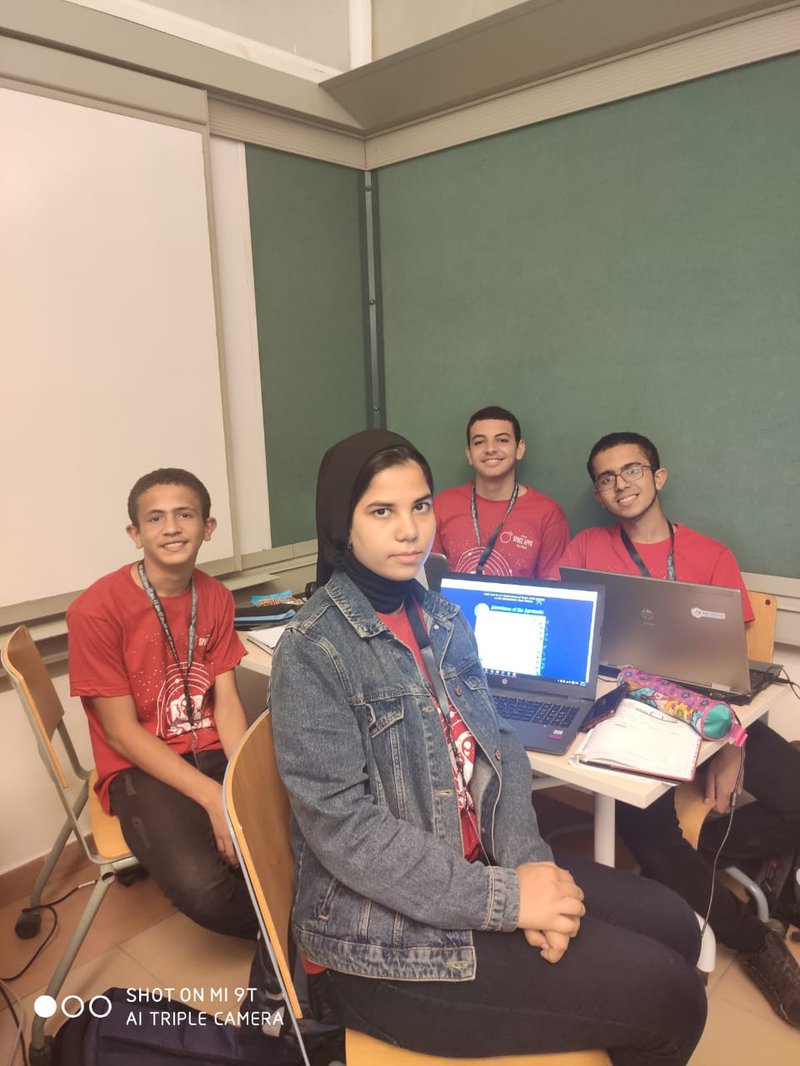
The lunarsamples extracted by space missions has been a source for information aboutmoon’s structure such as rocks, fragments, soil and dust for about 50 yearssince Apollo 11 mission reached the moon’s surface. After Apollo 11, 5 morespaceships reached the moon and collected samples with 381.7 kg weight, thosesamples were used by two generations of scientist to conclude the informationthat we know now about the moon. Moon's structure which was a mystery beforehas been discovered with a large scale, but still did not achieve their targetsyet; there are many reasons for that failure, one of them is the low efficiencyof sample collection during those missions. Although 381.7 kg of samples wastransferred to the Earth, More than 90% of them was with no value because itwas only a repetition so, Our team choose this problem to solve, our planincludes generating an equation to calculate the weight that can be determinedfor each section of samples by using the most important variables that accountfor the mission success, writing a protocol which contains the steps needed toobtain the highest efficiency in collecting samples by using researches andwith the goal of achieving the highest variety in the samples collection and adesigned improvement to the collecting tools used in the past mission in orderto make it as scientific, practical and efficient as it could be.