Moon Mineral Corp| Eeny, Meeny, Miney, Sample!
Project Details
The Challenge | Eeny, Meeny, Miney, Sample!
Analyze Gather Stock (AGS)
A three phase system to collect worthy moon specimens. With our new AGS gun astronauts will be able to detect quickly mineral properties of a chosen sample, collect it and place it inside our ASD robot for further analysis
MOTIVATION
Apollo missions will always be remembered asthe first ones to land on the moon. They were firsts ones basically ineverything. July 20th, 1969 was written in history with gold letters
That's one small step for man, one giant leapfor mankind.
Neil Armstrong
When you arenew at something (specially going out of the planet), you have to be prepared to act against mistakes and troubles, which are really present when collecting moon samples.
Astronauts then and now have limited movement in outer space, so our goal is to help them in this task.
THE TROUBLE
In Apollo missions, astronauts had to be always together in order to complete gathering tasks. One had to take the sample and then allocate it inside his partners compartment. Also, they had limited movement because of space suits. This issue still persists despite technology advances. Since there have not been more missions with similar goals, scientists have not been pursuing this matter that much.
OUR PROPOSAL
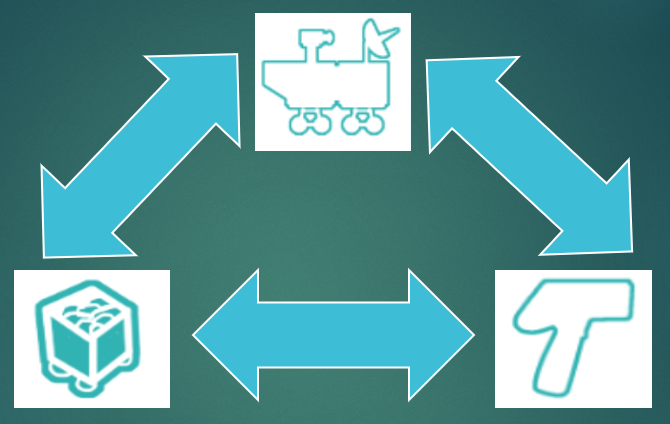
AGS is our in-develop-stage system. It uses existing technology and proposes new applications. It is conformed by three different technologies:
- An automat laboratory rover (like NASA's Opportunity rover robot) which will be exploring the moon by itself,
- An AGS extensible XRF gun
- An ASD (Automat Sample Depot) robot following them.
The next steps explain how it works:
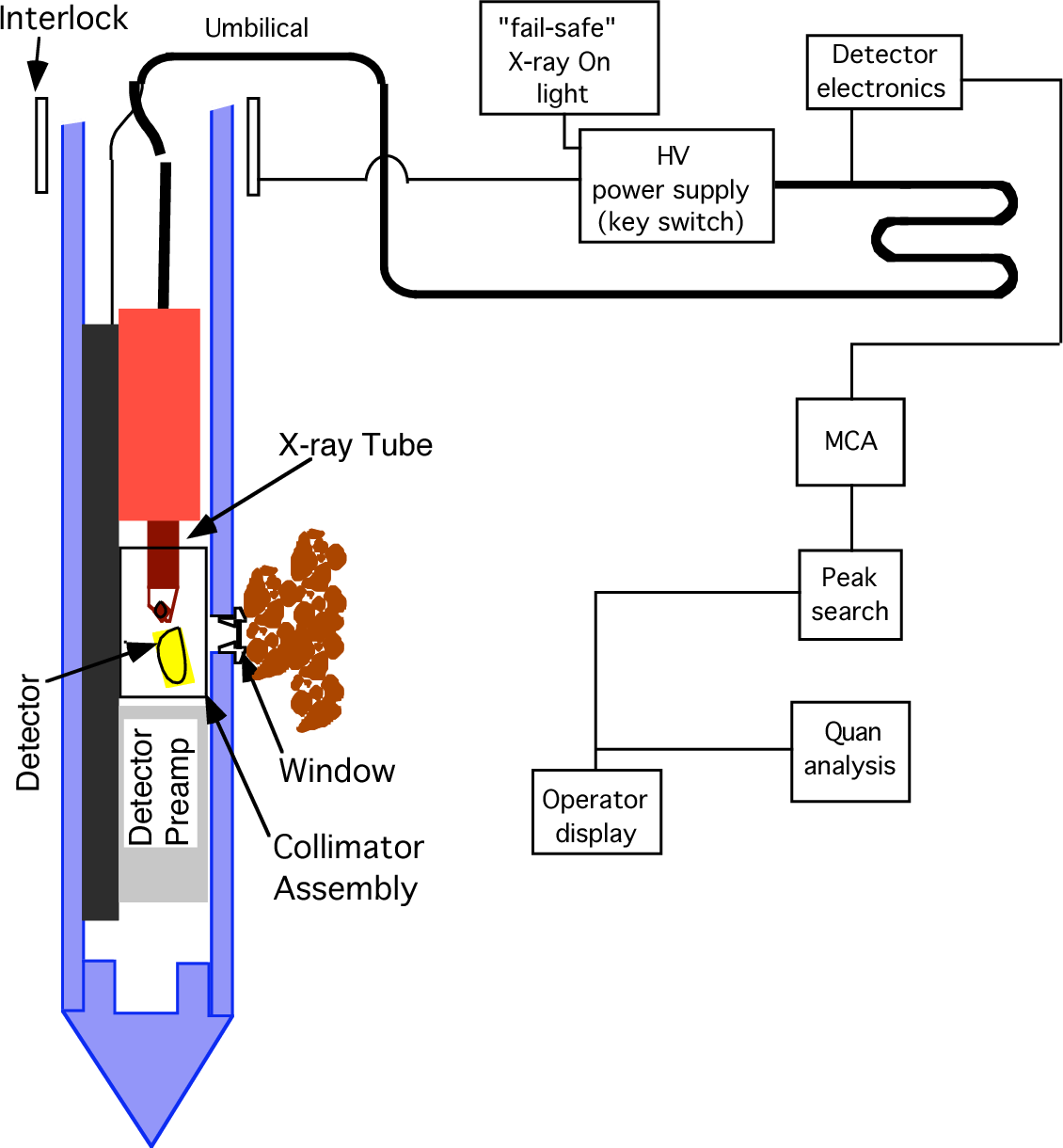
- First, we will provide the astronaut a new handed tool, the AGS gun equipped with an XRF scanner gives the first hints of the sample value.
- Second, if the astronaut decides to take the sample, our tool is also capable to perform this duty.

- Then allocate the rocks at the ASD robot. When its full, it will go to the main explorer for extensive analysis of the collected specimens.

- Finally, a display located at the astronauts arm shows the gun and explorer results; and the ASD robot carried weight.

WHAT DOES AGS IMPROVES?
- In-situ analysis.
- Better sample selection.
- No need to carry bags for samples.
- More collection in less time.
- Main robot and astronaut searching at the same tme.
What´s next?
We want to implement a new application to fluorescent X-Ray. Departing from technology that is actually being developed, we will be able to map soil composition under moon's surface. This approach will provide more complete information about certain areas of interest for decision-making and future extraction missions. This data is vital to find specific elements more accurately and take advantage of them in a better way.