
Digital Stars| Up, Out, and Away!
Team Updates
LINK PARA CLONE GITHUB : https://github.com/leandrozanardo/nasaspaceappscha...
 Davi Mariano Corazza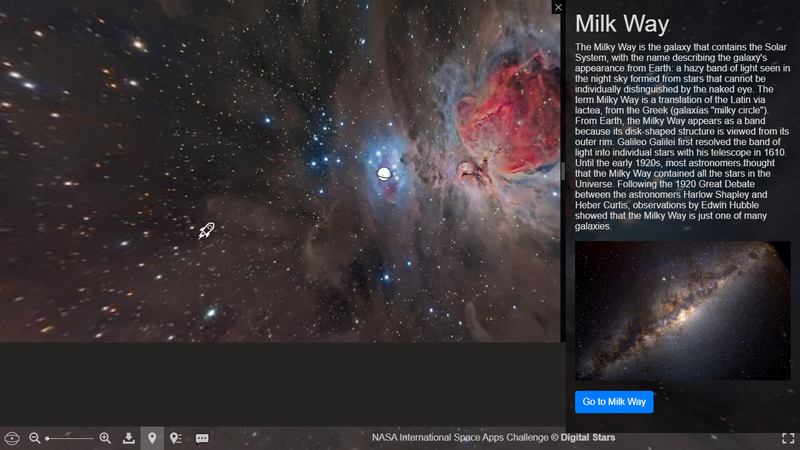
 Marcelo Renato CavaglieriMarcelo Renato Cavaglieri
 Marcelo Renato Cavaglieri
 Marcelo Renato Cavaglieri
Introduction
According to UNESCO, Brazil has about 700 researchers per million inhabitants, while China has 1,100, Russia 3,100, the European Union 3,200, the United States 3,900, Korea and Singapore 6,400, Israel 8,300. In Latin America, Brazil is in second place, below Argentina, which has 1,200 researchers per million inhabitants. But it is still a long way from developed countries, although it is training 18,000 doctors a year. (UNESCO, 2015).
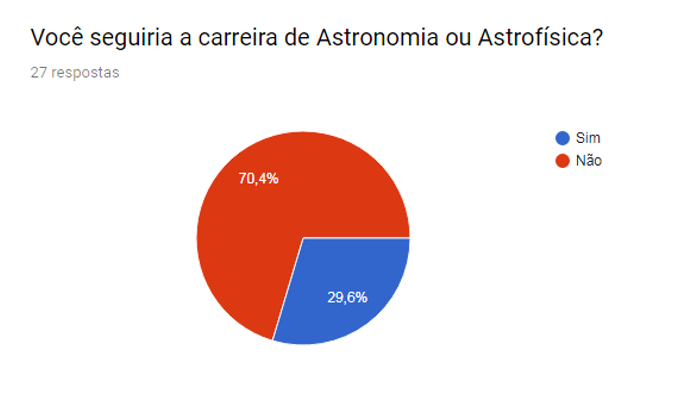
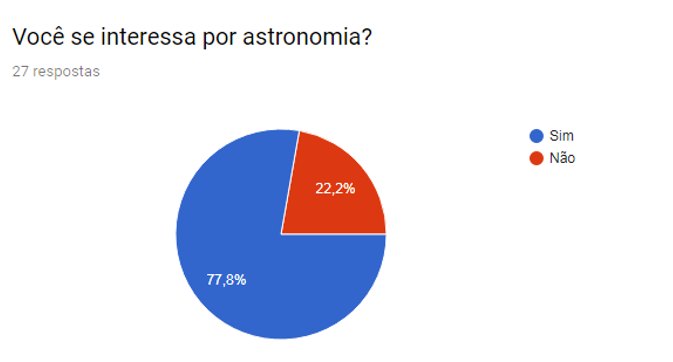
Although there are several initiatives aimed at fostering young people's interest in science, technology and innovation, it can be seen from the quiz above that the country still has a huge deficiency in the training of professionals who work and collaborate in such areas. To reverse this reality, it is necessary that the traditional methodologies of basic education be reformulated, thinking to promote greater contact of students and teachers with science through the realization of practical activities that involve experiments and stimulate critical reflection. (DAVIDOVICH, 2017).
Background
The universe is the largest scale of greatness and source of wonders that mankind has ever known, from the earliest discoveries in outer space to the present day, there are a wide range of challenges surrounding this theme, but thanks to NASA's advances among other exploration companies. space air today one can benefit from the knowledge gained from the missions out there. Some have thought to unite this knowledge obtained with VR (Virtual Reality) technology, among them the WebbVR, developed in partnership with Northrop Grumman (GRUMMAN, 2019), stands out as a game that simulates the travel of the telescope where users can Visit both the stunning solar system scenarios and other neighboring galaxy systems, for example the Orion Nebula.
Webb VR allows the player to either build their own planet and system, or simply try to reproduce physical concepts of collision, gravity, viscosity and electromagnetic spectrum. Although the game is freely available, it lacks didactic interactions that facilitate player learning about the planets and systems involved.
Proposal
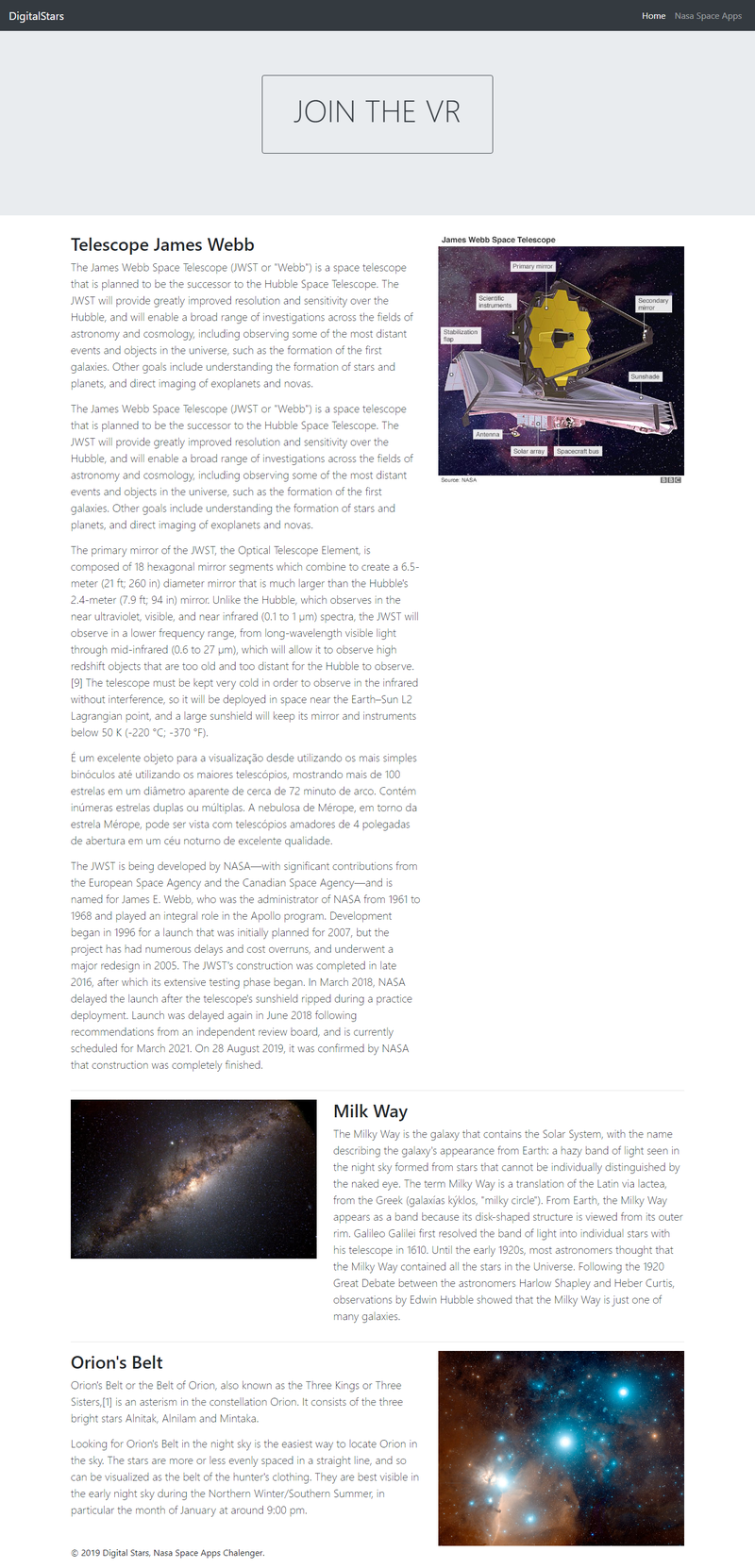
This project aims to implement a virtual environment where the user can interact with the data captured by the James Webb telescope. In this environment it will be possible to move freely through augmented reality technology, and it will be possible to have access to various contents related to space as well as scientific data and curiosities.
Thus allowing greater engagement between the scientific world wide community and high school education institutions, as well as the interest of students and teachers in the area of astronomy.
Goals
Methods
Initially a survey was conducted with some high school students to understand what are the characteristics and behaviors of this audience, and validate for what reasons would choose or not the careers of astronomy or astrophysics. For this we used a standard questionnaire developed in Google form (GOOGLE, 2019).
Then the group brainstormed to develop the above project ideas and prioritize them on a value versus effort plan.
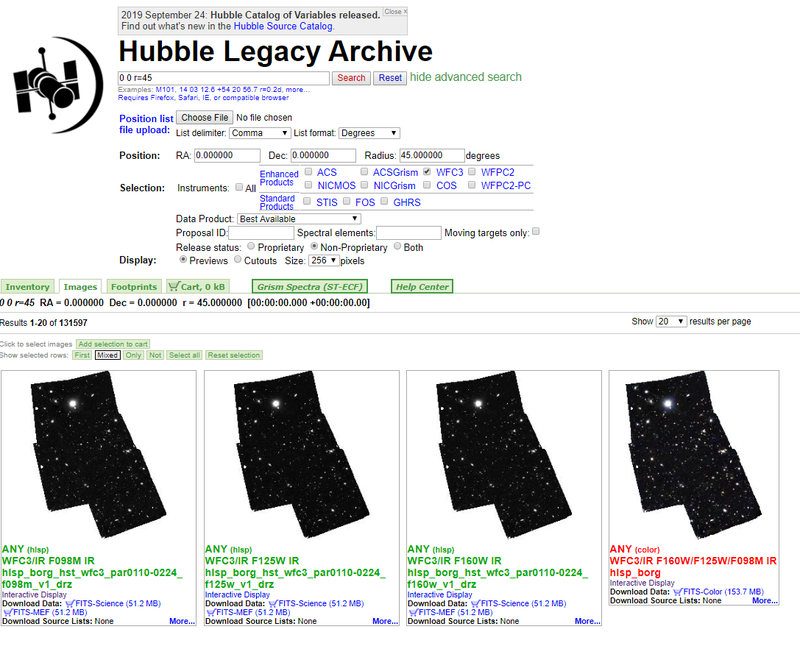
To build application content on the web, use actual data captured by the Hubble telescope for a simulated scenario of possible scenarios that will be observed by James Webb. It is supported that the availability of data collected by James will be considered the current model, so the project bets on the simplicity of the solution that integrates with the shared database. Other data used for custom navigation can be captured from existing sources such as Hubble itself.
Application
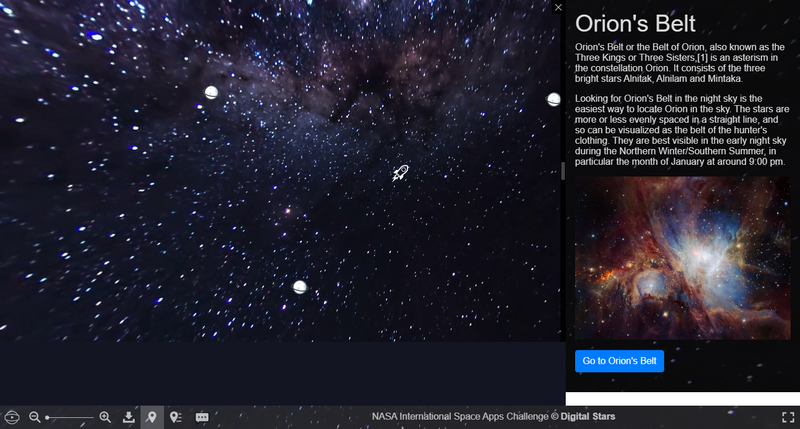
The application will work as follows: the user will enter a login and password home screen, upon authentication he will enter a home environment in which a macro sphere of the milky way will be displayed, allowing the user to move 360 ° and explore any part of the universe contained in that clipping. If the user wants to explore other systems, they can click a button that directs them to other locations. In each sphere will have a set of marked items, which represent specific parts or information of that system, such as stars, galaxies, nebulae, black holes, etc. The information will initially be displayed simply as a wiki, but if the user wants more detail, the app will allow them to access advanced data and shared knowledge from the scientific community.
It will still be possible for users to leave comments, and they will be ranked according to relevance and likes of other users. You will also be able to access a real-time communication chat, so users can share their favorite ideas, experiences and scenarios. The Flowchart in Figure below exemplifies the application's functionality in detail.
Conclusion
Digital Stars has chosen the Up, Out and Away challenge from the To the Stars category inspired by promoting scientific interest through the use of an interactive and collaborative environment so that high school students and teachers can access information and data. the latest in NASA from the James Webb telescope and other existing sources.
The platform that will be created will have several features that encourage continuous learning and knowledge acquisition through collaboration between users, who will be feeding the system itself with their discoveries and experiences from the data presented in the virtual environment.
Like Google Earth representing the Earth, Digital Stars represents the universe.
References
DAVIDOVICH, LUIZ. Por que o Brasil tem tão poucos cientistas? Available in: <https://museudoamanha.org.br/pt-br/por-que-o-brasil-tem-tao-poucos-cientistas> Acessed:19/10/2019.
GOOGLE, FORMS. Available in: <https://www.google.com/forms/about/> Acessed: 19/10/2019.
GRUMMAN, NORTHROP. Available in: <https://www.northropgrumman.com/Pages/default.aspx> Acessado em: 19/10/2019.
HUBBLE. The Hubble Legacy Archive. Available in: <https://hla.stsci.edu/> Acessed: 20/10/2019.
Marcelo Renato Cavaglieri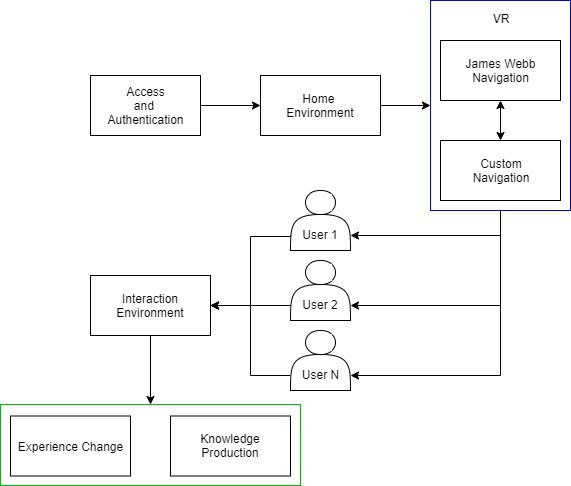 Marcelo Renato Cavaglieri
 Marcelo Renato Cavaglieri
 Marcelo Renato Cavaglieri
 Marcelo Renato Cavaglieri
 Marcelo Renato Cavaglieri