
Project Details
Awards & Nominations
1 ZODHA has received the following awards and nominations. Way to go!

The Challenge | Eeny, Meeny, Miney, Sample!
PRISM- PERFECT SAMPLE RETURN MISSION
A set of rovers working on the lunar south pole, increasing 94.8% value of sample return for Artemis, and giving the predefined locations for astronauts and labelled areas for rock collection and sending crater deep soil back to earth in 3 days.
Introduction to the Problem
The problem asks us to identify on the following criteria for an efficient and elegant design for a successful sample return mission.
- Will you mission involve any astronaut interaction time, or will it be fully automated and robotic?
- What factors should be kept in mind while choosing the most scientifically important sample, and what modifications can you make for a more effective mission protocol?
What Zodha Considers a Valuable Sample?
Zodha considers indexing lacation of sample collection, as one of the most important aspects, to make good geochemical distribution maps.
During our research we saw that an extremely amazing index of which sample had been cut from which apollo rock brought back, we though we will make sure we keep an index of which sample had been collected from where, for our rover that will collect samples of the deep crater surface. Along the same lines sample collection marking points will be set for Artemis mission geologist and astronauts, using our sharks, which will mark which researcher on earth wants samples from which part of the 27km perimeter we have selected on the moons surface, Near the sommerfield Crater floor or a specefic region that NASA is interested in in the south pole for landing Artemis hence similar research.
The way the samples are collected makes them more valuable
Since our sample collection and return will be carried out by hercules, that will land in the crater floor and by the web center also, we know having untouched and robotically drilling holes with hollow tube collection is the best, the crater floor collection can only use its left cold gas trusters to most probably drill holes of 2-3 cm, if there is water ice, maybe even less but that would be a great news.
The webcenter which is our lander and a sort of mother ship due to its heavy weight and a lot of mechanical space can drill holes of the heighest precision of about 57, multiple times, if it encouters problems. The dust that will spalsh will be collected under a blanket so that it doesnt occlude the sample return mission, or cause the return rocket to malfunction.
Cores on apollo drilled were only 5.2% of the weight but were the most valuable. Hence we learn from history.
Zodha Likes Variety
Our Versatile SHARKS will give the geologists on earth a lot of extra home work, as it will use the information processing power of humans and its great classification to make sure sharks are completely independent and able to identify difference in abundant basaltic rocks from white anorthosite. It will use everything from polarised light to radiation studies for the best samples marked out for our astronauts saving them all their time, to mark the difference between pristine rocks to polymict breccias from other lunar rocks.
Value increases when we know what we want to find, but keep space for the unkown.
The amazing scene on video of astronauts discovering Anorthosites gave me the idea for a data analysis techinique that sharks will use, it will always try to fit the image it captures and the tests it does to fit the rock infront of it to pre-chosen 4 categories, 4 different test and classify it as a match or mismatch. The machine wont be 100% correct but with the extensive search it does it will be able to find new rocks that wont fit categories, dismiss rocks that it will have learned to encounter on earth when it will train with the apollo samples on earth, as abundant and not required.
Value Increases when samples are from places never visited before and the source of water-ice?
Zodha's Hercules will land on deep surface craters doing radiation studies, to see the difference in temprature of the moon's surface with depth, and also send back samples to earth in just three days, using our web center.
Location of Landing, Scouting and sample collection
To make sure we get data that will be ‘valuable’ the location is a very important aspect. Our design makes sure, you get the most valuable sample. The rover has specific functional assessment and the different rovers designed have a very specific purpose. HERCULES-History finder, will look for landing craters, and use a gauging assessment to collect better data for better geochemical and geophysical analysis. To understand properties of the soil, ‘Cores’ prove better samples and very efficient, they are only 5.2% of the total sample by weight but are better in giving us the right information to work on. The Star of the show is our specifically designed SHARKS mini bots. These bots are smaller than a i-phone and will be dispersed in sets of two, a hooper and a collecter. In total we will unleash 16 pairs of bots, to gauge the distribution pattern and do visual scouting and machine learn, which areas will be the better place to send astronauts for drilling cores, and collect rocks. Since The latest LRV on the moon could travel 30 km unidirectionally, we will set the sample collection parameter to 27km from range of lander.
What the rocks tell us?
Radioactive clocks tell us the age of the rock. Tiny tracks even tell us the radiation history of the Sun during the last 100,000 years. Where did the basalt on the moon come from? In thin sections of basalt many of the individual mineral grains transmit light but others (the completely black grains) do not transmit light. The black grains (termed opaque) are the mineral ilmenite, which is rich in titanium dioxide. This mineral is common and composes a few percent of basalts on Earth. At the Apollo 11 and 17 landing sites on the Moon, however, ilmenite composes 10% of the rocks. Since basalts come from lavas melted from materials hundreds of miles deep, these materials must be different inside of the Moon from what they are inside of the Earth.
Another feature common in lunar volcanic rocks is the occurrence of round holes called vesides. On Earth similar holes are caused by gas, mostly steam, bubbling out of lavas as they cool and solidify. We can see these bubbles in lavas from the volcanoes on Hawaii. Because the Moon's gravity is too weak to have retained an atmosphere of gas, the way the Earth has, the nature of the gas from the bubbles is unknown. It cannot have been steam, though, because steam would have rusted the iron metal in the lunar lavas.
The other part of the lunar magnetic field, that which varies with time, is influenced greatly by the electrical properties of the interior of the Moon. Therefore, a study of the variations with time of the magnetic field reveale'd the electrical properties of the Moon as a function of depth. Because the electrical properties of rocks are influenced by the temperature, we hope to use such data to measure indirectly temperatures in the interior of the Moon.
History Finder HERCULESWhy are samples from this rover valuable?
Lunar CRater Observation and Sensing Satellite, or LCROSS, indicate that water (H2O), ice and other useful volatiles such as Carbon Monoxide (CO), and Helium (He) are present in the permanently shadowed craters at the poles of the moon extreme topography and steep slopes of the crater walls make access a significant challenge. Hercules will collect changes in geochemical and temperature changes and the depth of the crater increases. It will also be designed in a way to measure if there is a lava flow beneath the surface. To test theories of the moon’s mantle and core, would provide background information for anorthosites and the formation of a mostly basaltic crust. It will also give us valuable data and make this the most advanced sample return mission in the entire universe.
Like the SHARKS , HERCULES will also be in contact of the WEB-CENTER, but in relay of a ‘Mother Ship’
Hercules will have to enthrail, cold temperatures and be very efficient since the rover cant spend a lot of time in the crater, as the temperatures drop to -200 celcius, the rover could ‘cold soak’ and the mission would be dead. Hercules will explore the Shackleton crater where the samples will be retrieved and sent to the mother ship which will find its way back to the Web Center and be ready for launching back into orbit. With the other samples collected via sharks.
The Shackleton crater is supposed to have 22% water ice. These samples will prove extremely worthy.
How do we design this Rover?
- The aerodynamic rover has the new solar cells GaAsP, this increases the efficiency by 50% by harnessing more solar energy. We further present a separate Si bottom cell with a 1.7 eV GaAsP optical filter to absorb most of the visible light with an efficiency of 6.3%, showing the feasibility of monolithic III–V/Si tandems with >20% efficiency.
- The internal structure is a octagonal by-piramidal carbon fibre skeleton.
- It has a set of 4 double layer capacitors for storing energy required when crater doesn't capture any sunlight since the ends of the craters are always in dark.
- Cold gas thrusters and LED lights for movement and wide angle cameras are also added.
- All these strucutres are space ready and already been built, but never assembled together to make the perfect sample return mission from a crater, which would potentially have water ice,
HOW DOES THIS ROVER WORK?
Follow this 2 minute that we created to see how our rover work
What Exactly can we expect hercules to find for sure?
scouting-SMALL Hoping AND ANALYsis ROVER KING's (sharks)
The idea behind this came from hayabasu 2 and its MINEVRA 2 rovers that used hopping and cameras to capture images and information from a asteroid.
DESIGN?
Extremely Important to watch the video to understand the way Sharks will work.
- Will be sent in pairs of two, will move in all directions and cover a 27km perimeter. After Identifying rocks, they will mark where certain rocks are found, they would send signals from their location to the Lander, which we dub 'web center', the web center will transfer via satellitle communication, to mission control, so they can make pre defined routes for sample collection for astronauts travelling on artemis.
- In a Pair, the first Shark a little bigger will have a A Fe and Th ratio map shows potential locations where KREEP basalts might be found, as wellas presenting a more comprehensive comparison fordetermining locations with additional chemical diversity. Samples returned by the Apollo and Luna missionsinclude several types of basalts, but global remote sensing data produced by the Clementine and Lunar Prospector missions suggest a much broader range of compositions exist on the lunar surface. Therefore, a strategic assessment of potential landing sites suitable forsampling additional basalts is needed.
- in situ APXS (Active Particle-induced X-ray Spectrometer) and VNIS (Visible and Near-infrared Imaging Spectrometer) measurements will be present in the larger shark of the pair, to measure difference in TiO2;feO, this will help us identify rocks like, olivine-normative basaltic rocks with high FeO/(FeO+MgO),VNIS data indicates abundant high-Ca ferropyroxene (augite and pigeonite) plus Fe-rich olivine.
- High resolution wide angle cameras and texture defining cameras like the High-speed and high-accuracy 3D surfacemeasurement using a mechanical projector to locate and measure texture differences and classify rocks as Polymict Brecicas.
Entry and Exit into the lunar atmosphere
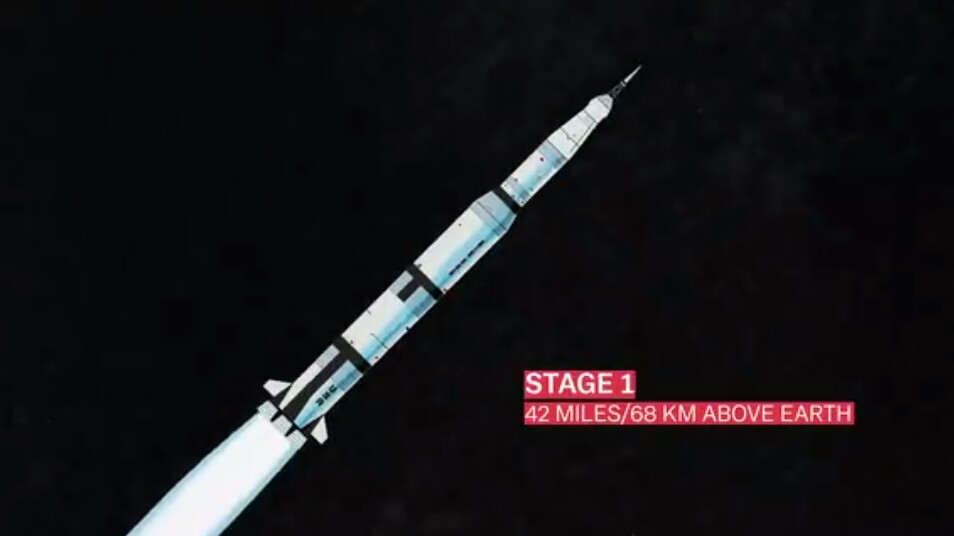

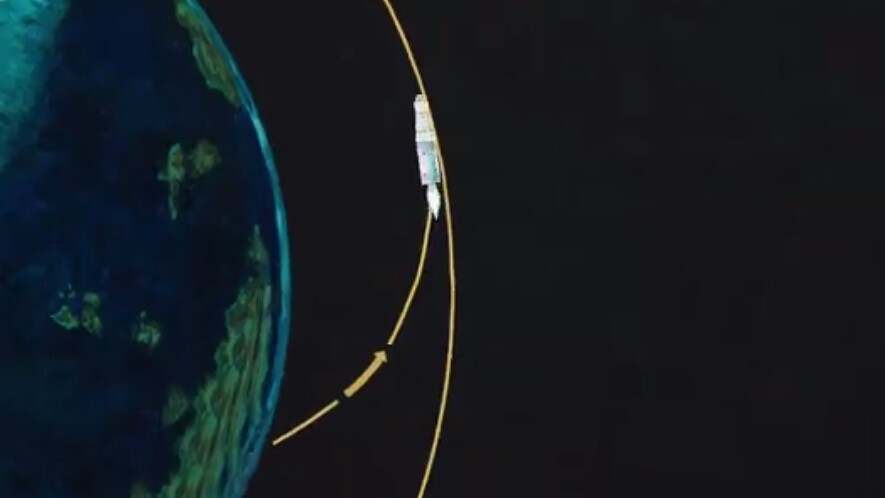
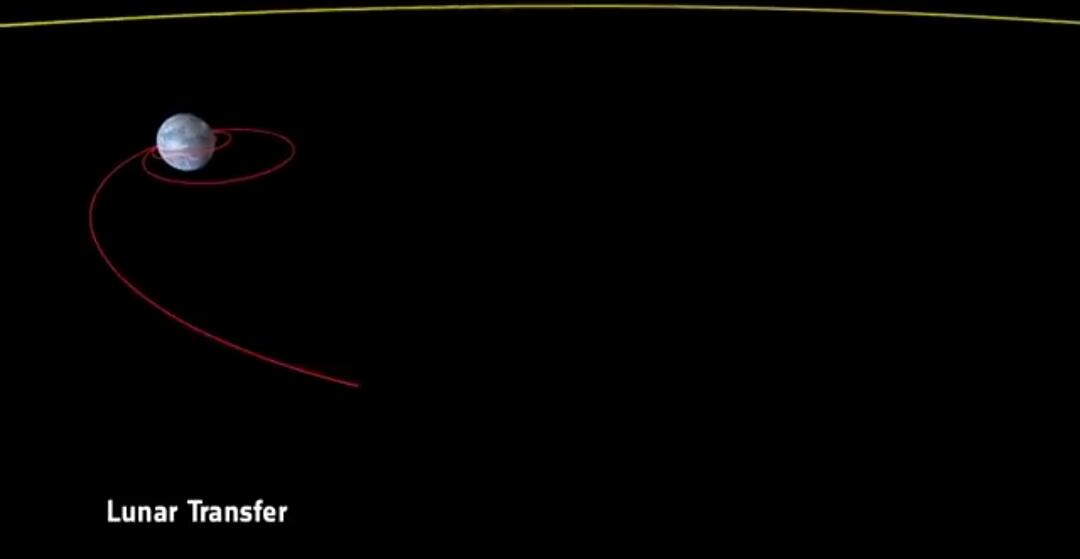
Stage 2: Seperation
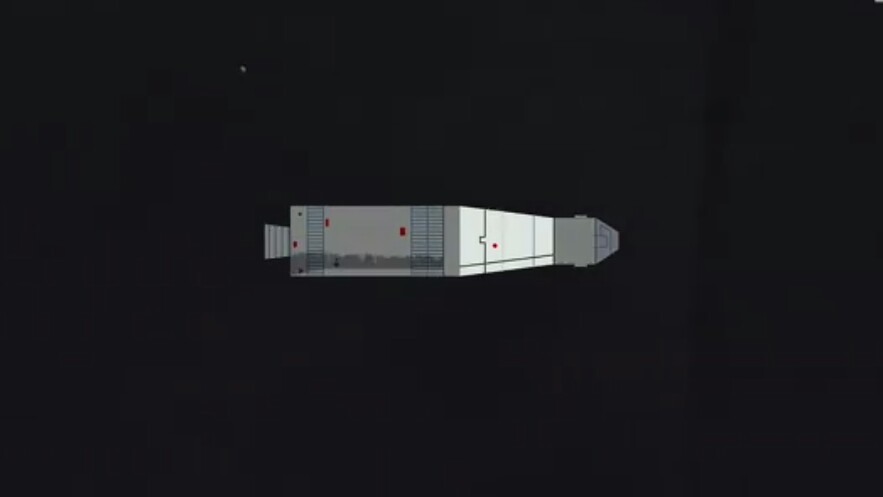
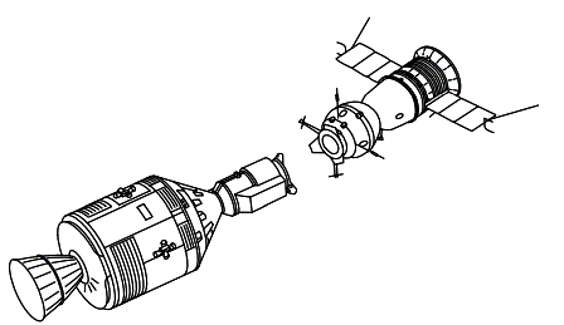
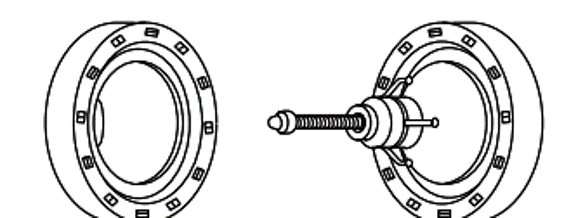
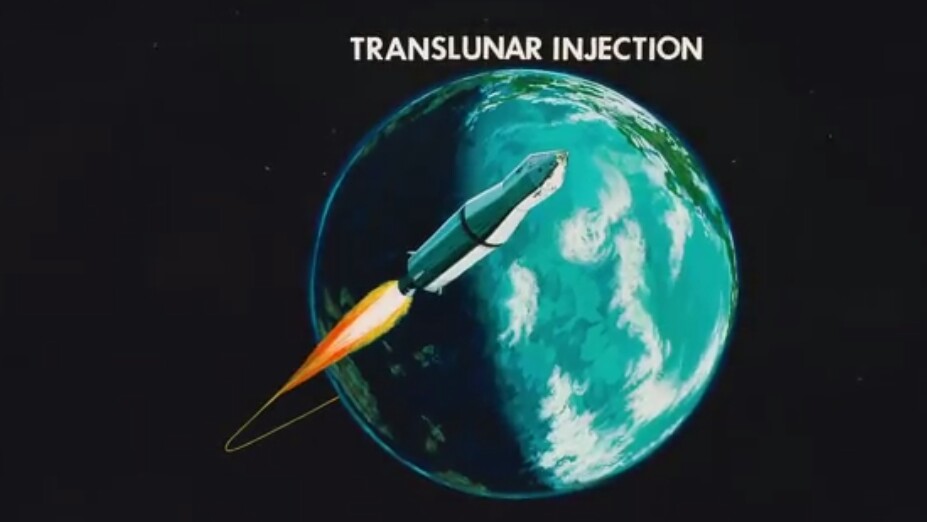
Stage 4: Set for course for moon
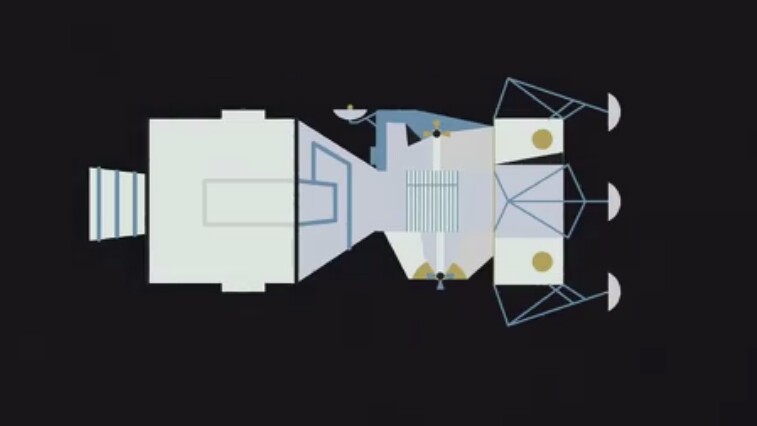
stage 5: Enter trajectory Seperation of WEB Center and main orbiter
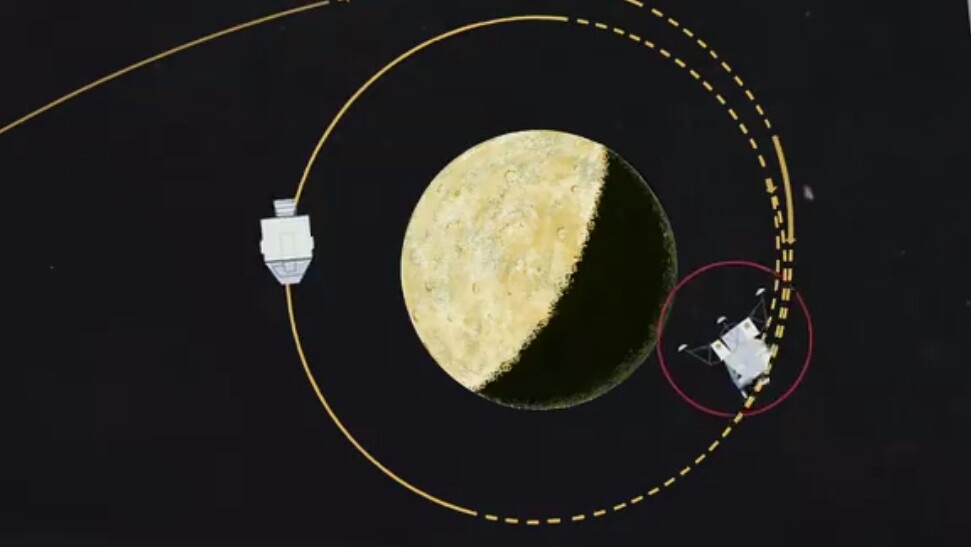
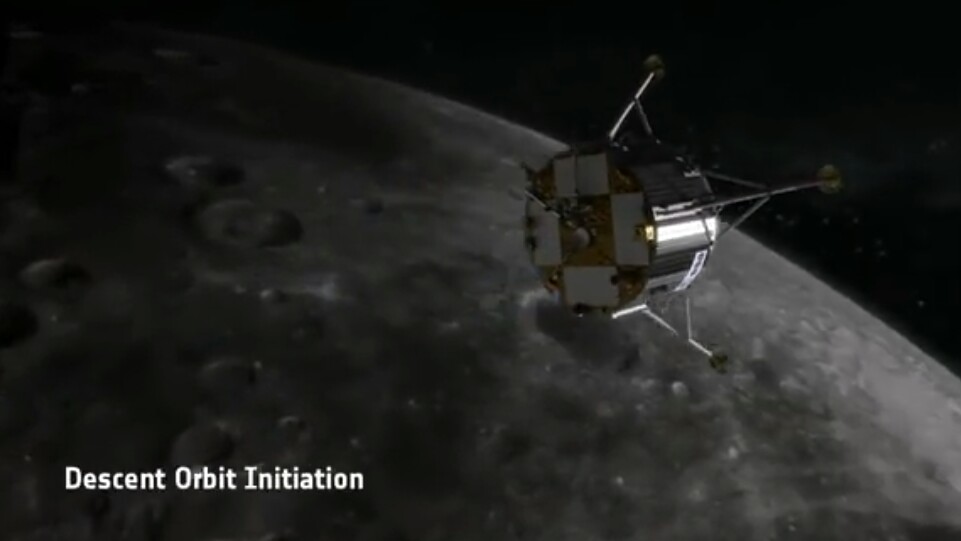
What is the WEB-Center?
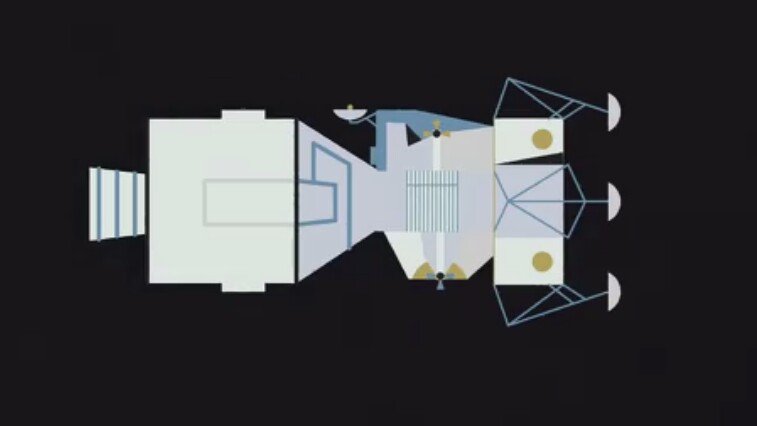
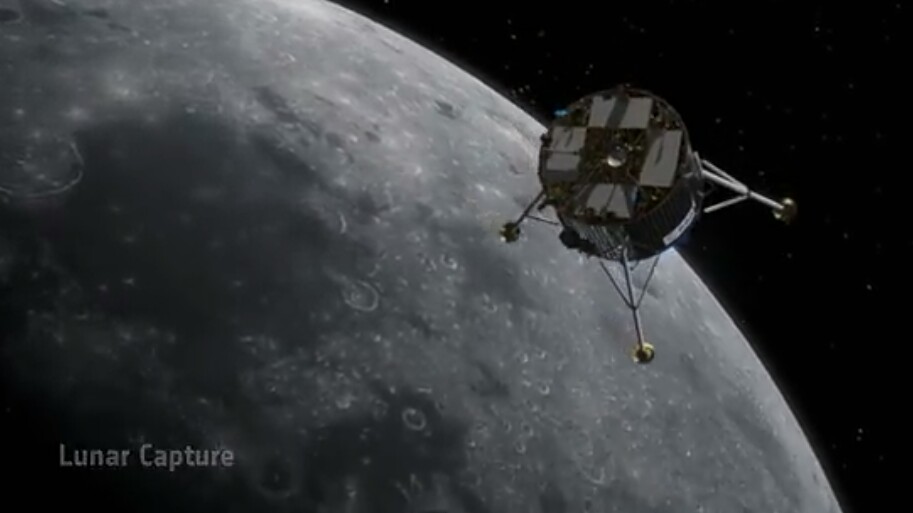
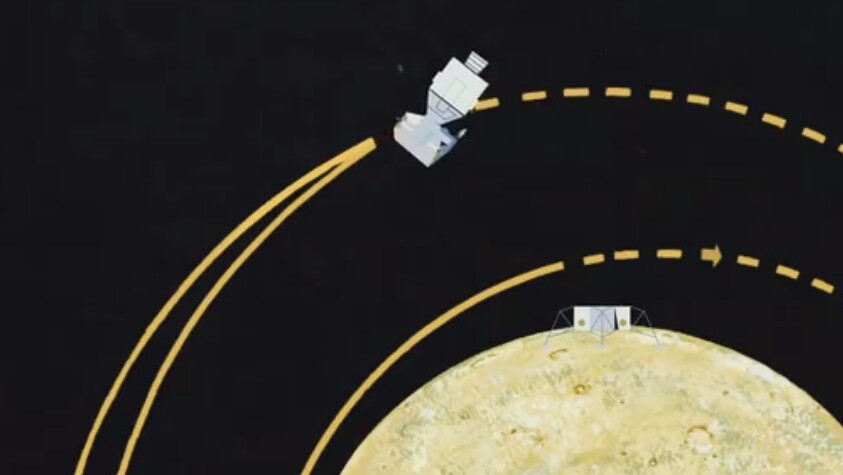
Our plan is to send our rover's, centre and sharks to the moon and get our samples back to Earth.It is much cooler than it sounds. The mission comprises of a main payload reaching the lunar surface and a satellite orbiting the moon so that it could catch the WEB- centre after it descends from the lunar surface. 2 payloads are launched aboard two TITAN rockets. Upon arrival on the moon, an arrow capture manuevor is used to place the payload into an elliptical orbit. The paload consist of the WEB- Centre and the Rover. Shortly after a circularization burn ,the WEB- Centre separates from the imaging and communication orbiter,performs an entry maneuver and descends to the lunar surface. When sampling and data collection operations are complete, the rovers and sharks are instructed to rendezvous with the ascend vehicle. Once there the sample container is transferred. Once transferred the rover departs and the WEB- centre leaves its descend part and uses its stored fuel to shoot upto space and leave with an escape velocity enough to leave the moon. Ignition occurs and the boost module separates from its launch platform. the vehicle is placed in this same orbiter as the main moon orbiter after an altitude maneuver. Using radar scanning, the vehicle is located. After getting positive signals, a series of maneuvers takes place to perform the task of docking, After successfully docking, the lunar samples are transferred into the orbiter and the orbiter is set for going back to Earth. After undocking and separation of the ascend vehicle from the return vehicle, the return vehicle sets for return to Earth.it performs an iduction maneuver to initiate trans-Earth-cruise. When the thrust terminates the engines are jettisoned and solar arrays are deployed for the trip back to Earth. Upon the ariival at Earth the return vehicle deploys the Earth aerocapture capsule. Friction from the Earth's atmosphere slows the capsule down. After aerocapture, the aerochell is detached and a burn is performed to place the shell in the path of the International Space Station from where a series of docing takes place and the astronauts get the lunar samples that can be used for test in the ISS's Lab.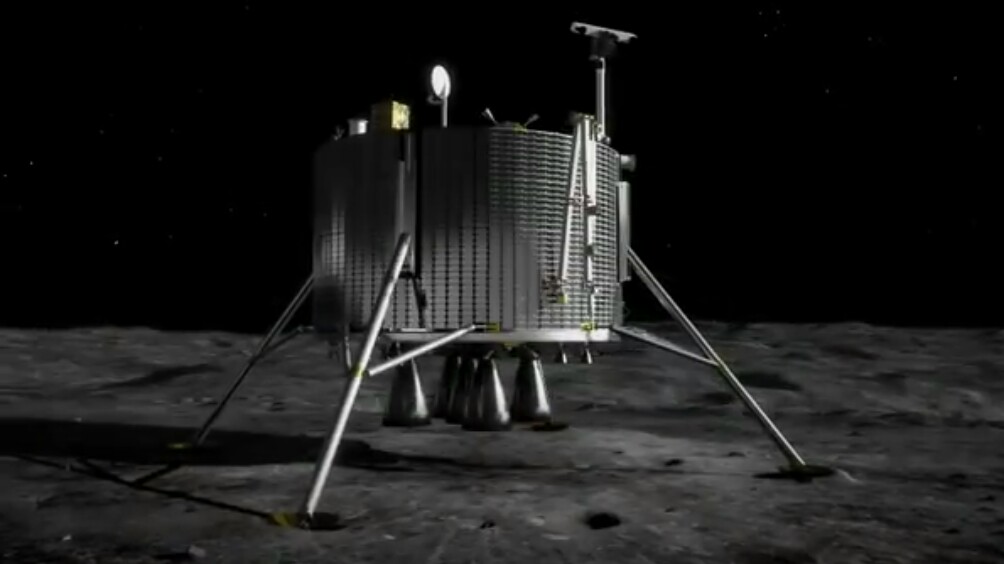
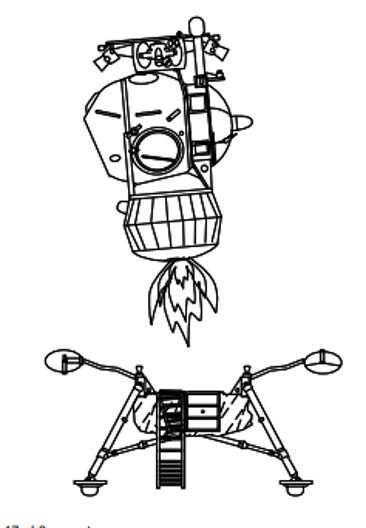
Below is a picture of how rovers - sharks will move from the lander
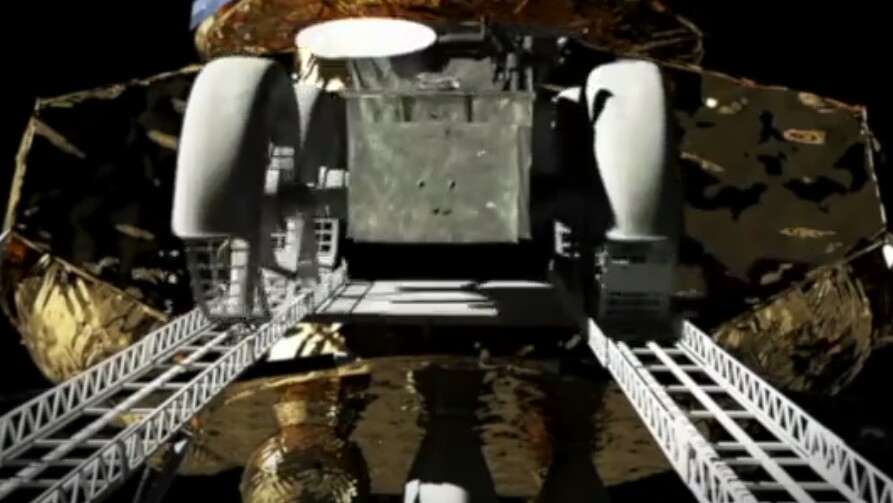
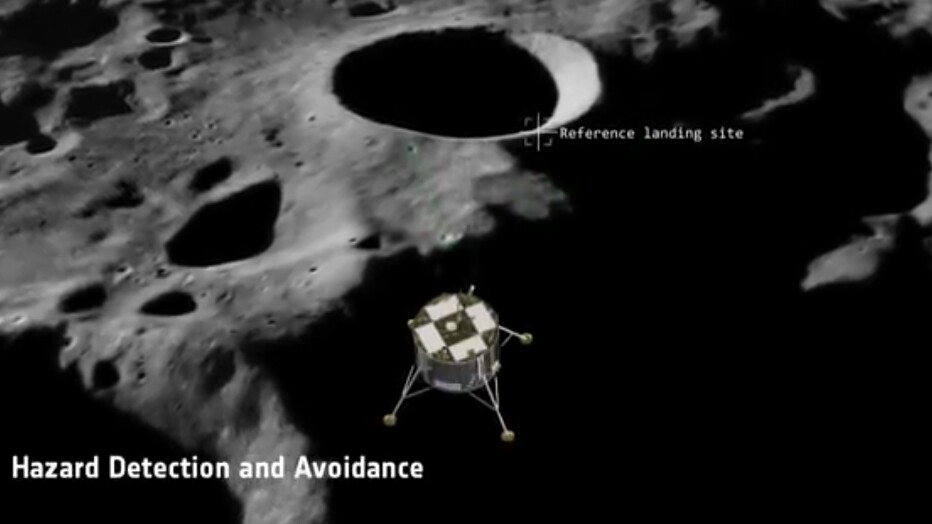
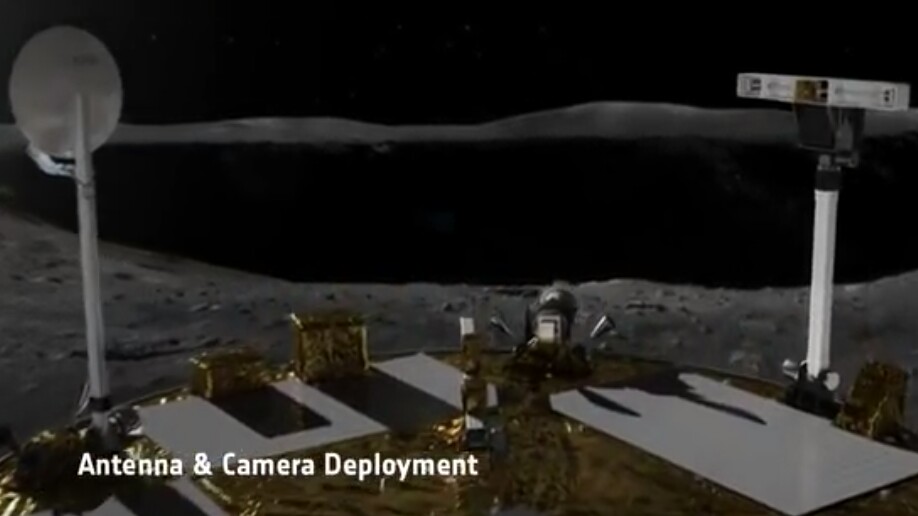
As a part of the mission, the WEB-Centre will also approach the lunar surface to collect data, core samples act as a descend shuttle that will reach back to the Earth. it will compose of two parts, the descent part and ascend part. the ascend part will be resposible to help in the landing of the WEB-Centre along with the SHARKS and other lunar rovers used in our mission. The ascend part will be left once HERCULES rovers return the information needed and sample obtained. The descent will contain the sample obtained.It would stick with the WEB- centre throughout . The WEB- Centre would use a Lunar Reconnaissance Orbiter Camera (LROC) Wide Angle Camera (WAC) to see the landing site and avoid any hazardous site. Its landing criteria will search for sites that are 5-10 km across which are smooth and without any dangerous craters slope. DUring its descend it will look out for hazardous plains with the help of LROC-WAC mentioned above. It descend using descend thrusters and ground sensing radars. It will compose of DAN(Dynamic Albedo of Neutrons) to check for water resource below the surface of the lander. It will also consist of a Radiation Assesment Detector that will map out the radiation limits across its surface and send this data back to the Earth. The CHEMIN equipment will identify and measure the abundance of various minerals present on the lunar surface that will help the scientist better understand the previous conditions of the lunar surface. The WEB centre will drill below its surface and collect core samples and soil samples and deliver it to a sample holder. The CHEMIN then will direct a beam of X-rays and identify the elements present in the sample with the help of the defraction of the X-rays, which were projected on the sample. The data collected by the WEB-Centre will be sent to Earth. It will transfer the samples from the CHEMIN and into a safe,tight capsule that will protect it from thrust,pressure and high temperatures that could be faced descending part of the WEB-Centre prepares itself for launch.
Stage 6: Sample and Data collection complete, boost module launched.
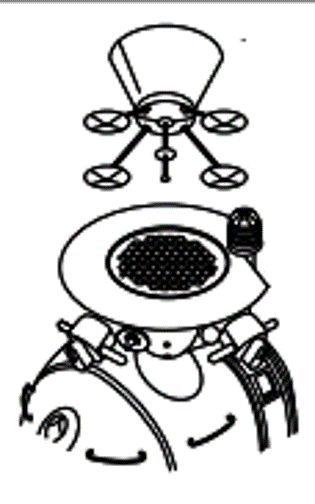
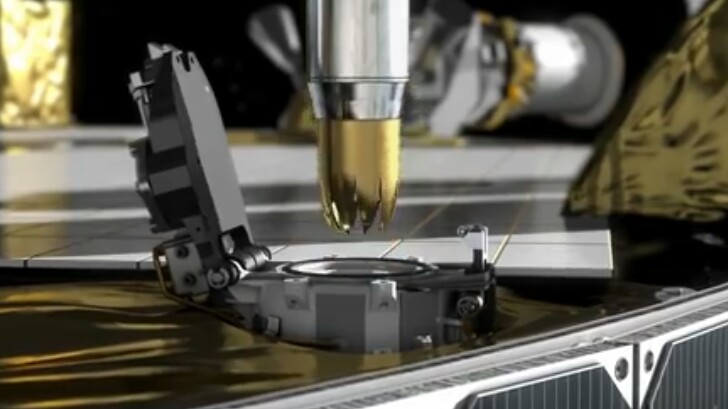
the below picture shows, a sample drill core, that will collect cores.
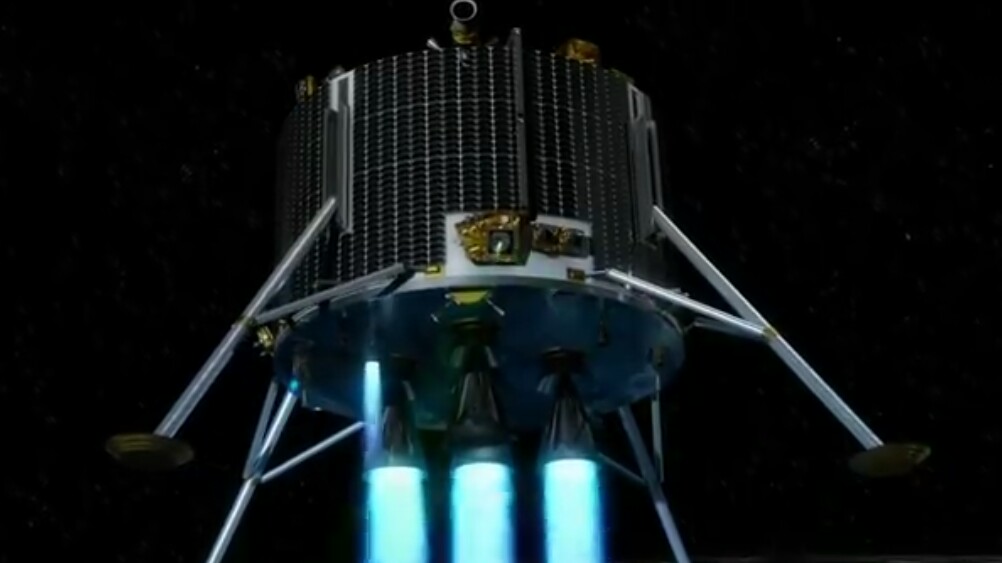
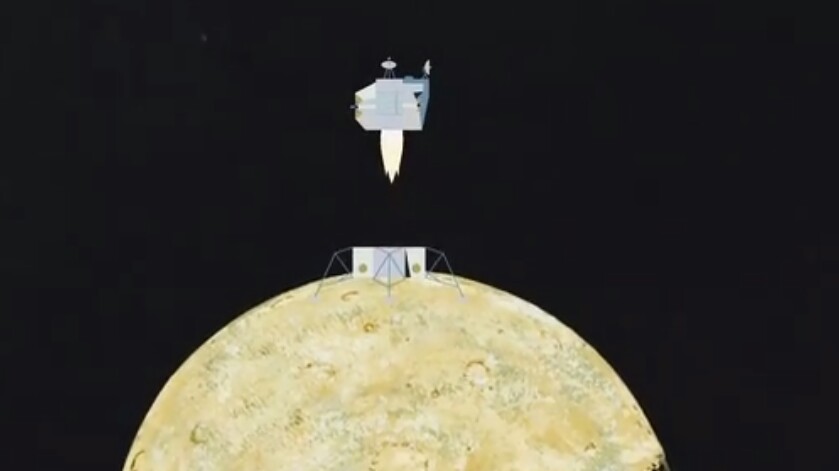
Stage 7: manuvered rendezvous and docking complete
Research work:
http://feacompare.com/sortbyfeatures.html
https://www.esa.int/Science_Exploration/Human_and_Robotic_Exploration/Exploration/Mars_sample_return
https://www.lpi.usra.edu/decadal/leag/SampleReturnTechnology.pdf
https://www.planetary.org/blogs/jason-davis/why-sample-return.html
https://www.lpi.usra.edu/publications/books/lunar_sourcebook/pdf/LunarSourceBook.pdf
https://curator.jsc.nasa.gov/education/_documents/what%20we've%20learned%20about%20the%20moon.pdf
https://en.wikipedia.org/wiki/Sample-return_mission#First_missions
https://www.lpi.usra.edu/decadal/captem/AllanTreimanMoon.pdf
https://curator.jsc.nasa.gov/lunar/
https://en.wikipedia.org/wiki/Luna_16
https://curator.jsc.nasa.gov/lunar/lsc/luna16core.pdf
https://www.lpi.usra.edu/publications/books/lunar_sourcebook/pdf/Chapter05.pdf
https://en.wikipedia.org/wiki/Geology_of_the_Moon